
10 Little-Known Medicinal Teas You Should Try: Benefits, Uses & How to Brew Them
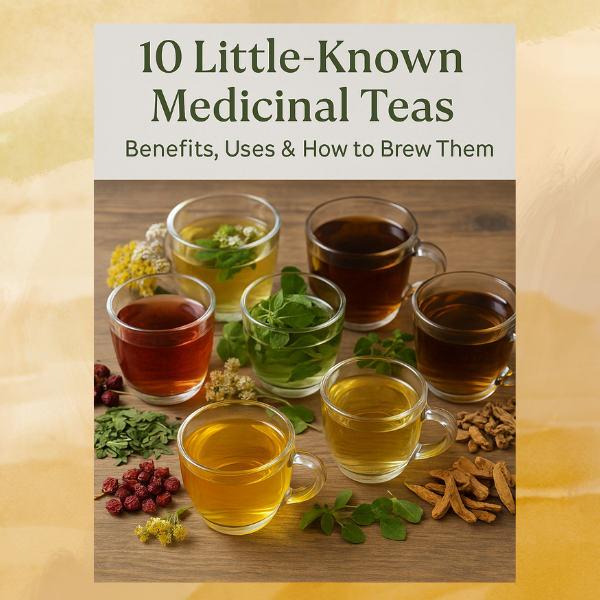
🌿 10 Little-Known Medicinal Teas You Should Try:
Herbal teas have been used for thousands of years for healing, energy, vitality, and spiritual restoration. But in the modern world, most people stick to the basics: green tea, chamomile, peppermint, maybe ginger.
What many don’t realize is that there is a world of powerful, lesser-known healing teas—some ancient, some newly rediscovered—that offer incredible benefits for the mind, body, and spirit.
These teas come from leaves, roots, flowers, berries, bark, and seeds used in traditional medicinal practices across cultures—Ayurveda, Traditional Chinese Medicine, Korean herbalism, Native traditions, and European folk remedies.
In this guide, you’ll discover 10 unique teas people are searching for because of their potential to support energy, gut health, digestion, immunity, skin vitality, detox, stress reduction, and more.
This is a long-form, in-depth wellness article designed to educate, empower, and inspire. Perfect for your readers who love natural remedies, holistic living, and plant-based healing.
🌸 1. Omija Tea (Schisandra / Magnolia Berry Tea)
Korea’s “Five-Flavor Berry” Tea for Vitality, Circulation & Longevity
Omija tea comes from the bright red berries of the Schisandra chinensis plant, a fruit known in Korea as the “five-flavor berry” because it contains all five tastes at once:
✔ Sweet
✔ Sour
✔ Bitter
✔ Pungent
✔ Salty
This unique flavor spectrum is why Omija is deeply respected in both Korean traditional medicine and Traditional Chinese Medicine (TCM) as a harmonizing, balancing, restorative tonic.
🌿 Health Benefits of Omija Tea
Traditional uses include:
-
Supporting kidney health
-
Strengthening circulation
-
Improving vitality and stamina
-
Supporting liver detoxification
-
Enhancing mental clarity
-
Promoting respiratory strength
In TCM, Schisandra is considered an adaptogen, meaning it may help the body adapt to stress and restore balance.
🌼 Flavor Profile
Tangy, fruity, slightly salty, and beautifully complex.
Perfect as a refreshing summer iced tea.
🍵 How to Brew Omija Tea
-
Rinse dried Omija berries.
-
Add 1–2 tbsp berries to 3 cups of water.
-
Simmer gently for 10–15 minutes.
-
Strain and sweeten with honey (optional).
Serve hot or cold.
⚠️ Safety Notes
Avoid if pregnant, breastfeeding, or taking sedatives or seizure medications.
🌿 2. Jiaogulan Tea (Southern Ginseng)
The “Herb of Immortality” for Balance, Longevity & Stress Support
Known in China as Jiaogulan and sometimes called “Southern ginseng,” this climbing plant has a long history in Asian medicinal traditions.
People in the Guizhou province—known for unusually long lifespans—drink Jiaogulan daily.
🌿 Benefits of Jiaogulan Tea
-
Considered a powerful adaptogen
-
Used for stress resilience
-
Helps support healthy blood sugar
-
May help balance cholesterol levels
-
Supports heart and circulatory health
-
Provides a natural energy boost without caffeine
🍃 Flavor Profile
Herbal, mildly sweet, slightly earthy.
Less bitter than green tea.
🍵 How to Brew Jiaogulan Tea
-
Steep 1 tsp dried leaves in hot (not boiling) water
-
Steep 3–5 minutes
⚠️ Safety Notes
Avoid if pregnant or on blood-thinning medications.
🌿 3. Kuding Tea
One of the Most Bitter Teas in the World—But Loaded with Antioxidants
Kuding tea is not for the faint of heart.
It’s often described as shockingly bitter, but in Chinese medicine, bitterness is associated with cleansing, cooling, and detoxification.
🌿 Health Benefits of Kuding Tea
-
Said to help with weight loss
-
Traditionally used for skin health and UV protection
-
Supports blood sugar balance
-
May help with high blood pressure support
-
Considered cooling in TCM
-
High antioxidant content
🍃 Flavor Profile
EXTREMELY bitter—similar to dark medicinal herbs.
Often sweetened or blended with goji berries.
🍵 How to Brew Kuding Tea
-
Use ONE leaf — that’s enough!
-
Steep 1–2 minutes
-
Re-steep multiple times
⚠️ Safety Notes
Avoid during pregnancy.
May cause nausea if brewed too strong.

🌿 4. Gotu Kola Tea
Ancient Brain & Nerve Tonic for Memory, Focus, and Circulation
Beloved in Ayurveda and TCM, Gotu Kola is known as the “herb of enlightenment.”
Its historical uses include meditation support, mental clarity, and longevity.
🌿 Benefits of Gotu Kola Tea
-
Supports brain health
-
May improve memory and focus
-
Supports blood circulation
-
Used for nerve repair
-
Supports skin healing
-
Helps balance stress and anxiety
🍃 Flavor Profile
Mild, grassy, earthy.
🍵 How to Brew Gotu Kola Tea
-
Steep 1–2 tsp dried leaves in hot water
-
Steep 5–7 minutes
⚠️ Safety Notes
Avoid if pregnant, breastfeeding, or taking sedatives.
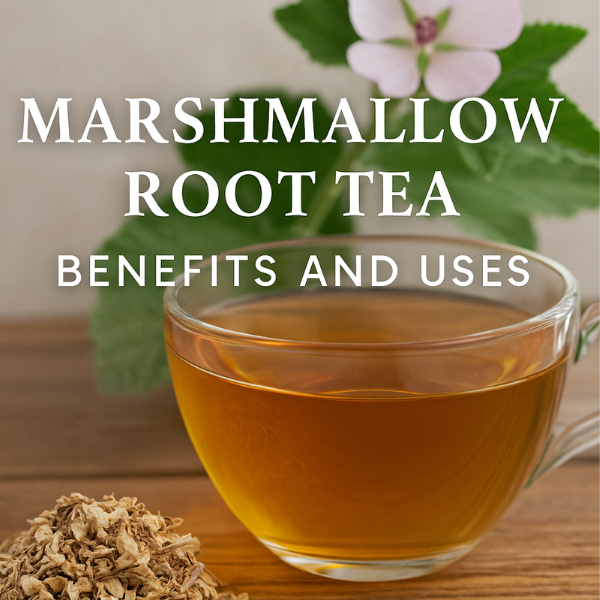
🌿 5. Marshmallow Root Tea
Gentle, Soothing Tea for Throat, Stomach, and Gut Inflammation
Marshmallow root tea is mucilaginous, meaning it becomes thick, silky, and soothing when steeped.
🌿 Benefits of Marshmallow Root Tea
-
Coats and soothes throat irritation
-
Helps acid reflux and GERD
-
Supports IBS and gut lining repair
-
Eases stomach inflammation
-
Traditionally used for UTI and bladder soothing
-
Supports skin healing
🍃 Flavor Profile
Mild, slightly sweet, soft.
🍵 How to Brew
-
Steep in warm (not boiling) water to preserve mucilage
-
10–15 minutes for light brew
-
1 hour for thicker gut-healing brew
⚠️ Safety Notes
Avoid with blood-sugar medications.
Take away from prescriptions.
🌿 6. Yarrow Tea
Women’s Wellness Herb for Cramps, Digestion & Wound Support
Yarrow has been used for centuries in European folk medicine.
🌿 Benefits of Yarrow Tea
-
Helps relieve menstrual cramps
-
Supports digestion
-
Traditionally used for wound healing
-
May help with fevers
-
Supports circulatory health
🍃 Flavor Profile
Floral, bitter, earthy.
🍵 How to Brew
-
Steep 1–2 tsp dried yarrow
-
8–10 minutes
⚠️ Safety Notes
Avoid during pregnancy.
🌿 7. Tulsi Tea (Holy Basil)
Adaptogenic Herb for Stress, Immunity & Hormonal Balance
Tulsi is one of the most sacred herbs in Ayurveda and is often called the “Queen of Herbs.”
🌿 Benefits of Tulsi Tea
-
Powerful adaptogen
-
Supports stress and adrenal balance
-
Helps regulate blood sugar
-
May improve digestion
-
Supports respiratory health
-
Boosts immunity
🍃 Flavor Profile
Peppery, floral, slightly sweet.
🍵 How to Brew
-
Steep 1 tsp dried tulsi
-
5–7 minutes
⚠️ Safety Notes
Avoid if taking blood-thinning medications.
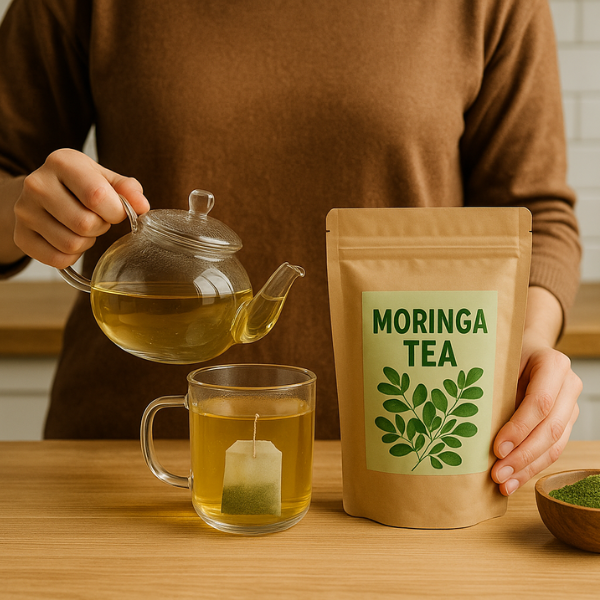
🌿 8. Moringa Tea
The Miracle “Moringa Oleifera” Tea for Daily Nutrition
Moringa is often called the Tree of Life for its dense nutrition.
🌿 Nutritional Benefits
Moringa leaves contain:
-
Iron
-
Calcium
-
Potassium
-
Vitamin A
-
Vitamin C
-
Protein
-
Antioxidants
💚 Benefits
-
Supports energy naturally
-
Helps balance blood sugar
-
Supports heart and circulation
-
Nourishes skin and hair
-
Supports detox and liver health
-
Helps reduce inflammation
🍵 How to Brew
-
Steep 1–2 tsp dried leaves
-
3–5 minutes
⚠️ Safety Notes
Avoid during pregnancy without supervision.
🌿 9. Dandelion Tea
Liver-Loving Detox Tea for Digestion & Hormone Balance
Dandelion leaf and root have been used in herbal medicine for centuries.
🌿 Benefits of Dandelion Tea
-
Supports liver detoxification
-
Helps cleanse the gallbladder
-
Supports kidney health
-
Helps reduce water retention
-
Supports healthy digestion
-
Traditionally used for skin clarity
🍃 Flavor Profile
Earthy, leafy, slightly bitter.
🍵 How to Brew
-
Leaf: 3–5 minutes
-
Root: simmer 10–15 minutes
⚠️ Safety Notes
Avoid if allergic to ragweed.
🌿 10. Lapacho (Taheebo) Tea
Bark Tea for Immunity, Inflammation & Traditional Healing
Lapacho comes from the bark of the Pau d’Arco tree, native to South America.
🌿 Benefits of Lapacho Tea
-
Traditionally used for immune support
-
Supports anti-inflammatory balance
-
Used for candida and fungal issues
-
Helps support skin health
-
May help with detoxification
🍵 How to Brew Lapacho Tea
-
Simmer bark gently for 10–15 minutes
-
Strain
⚠️ Safety Notes
Avoid during pregnancy.
Check for quality—bark impurities are common.
These 10 less-common medicinal teas offer a world of healing benefits that go far beyond everyday herbal blends. Whether you’re looking to soothe digestion, support stress, balance hormones, nourish the body, or explore traditional remedies, each of these teas brings something unique and powerful.
Disclaimer:
The information in this article is for educational purposes only and should not replace professional medical advice, diagnosis, or treatment.
Always consult your healthcare provider before using herbal teas or any herbal supplement — especially if you are pregnant, nursing, taking medications (particularly for diabetes, blood pressure, or thyroid), or managing chronic health conditions.
Natural remedies can be powerful and effective, but they should always be used responsibly and with guidance when needed.