The Ultimate Guide to Meal Planning and Batch Cooking for Plant-Based Success
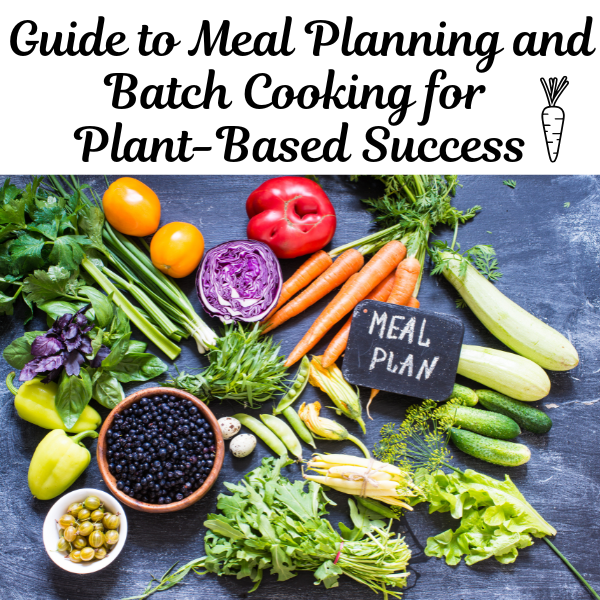
Are you struggling to maintain a consistent plant-based diet? Do you find yourself reaching for convenience foods or feeling overwhelmed at dinner time? You’re not alone. The secret to thriving on a vegan diet isn’t willpower—it’s preparation. In this comprehensive guide, I’ll show you exactly how to master meal planning and batch cooking to make plant-based eating effortless, affordable, and absolutely delicious.
And the best news? I’m including a complete 30-day vegan meal plan with recipes and shopping lists at the end of this post—completely FREE!
Why Meal Planning Changes Everything
Let me be honest with you: when I first went vegan, I was a mess. I’d stand in front of my empty fridge at 7 PM, exhausted and hungry, with no idea what to make. I’d end up eating cereal for dinner or ordering expensive takeout. Sound familiar?
Everything changed when I discovered meal planning. Suddenly, I had a roadmap. I knew exactly what I was eating, what I needed to buy, and how to prep it efficiently. My grocery bills dropped by 30%, I stopped wasting food, and I actually started enjoying cooking again.
Meal planning isn’t about restriction or eating the same boring meals every day. It’s about creating freedom—freedom from decision fatigue, from food waste, from the stress of “what’s for dinner?” It’s about taking control of your health and your time.
The Foundation: How to Create Your Weekly Meal Plan

Step 1: Assess Your Schedule
Before you plan a single meal, look at your week ahead. Which nights are you working late? When do you have more time to cook? Do you have any social plans or events?
On my busiest days, I schedule simple 15-minute meals like stir-fries or pasta. On weekends, I might try a new recipe or make something more elaborate. This realistic approach means you’ll actually stick to your plan instead of abandoning it by Tuesday.
Step 2: Choose Your Meals Strategically
Here’s my formula for a balanced week:
- 2-3 grain bowls (Buddha bowls, burrito bowls, sushi bowls)
- 2 pasta dishes (different sauces keep it interesting)
- 2 curry or soup recipes (perfect for batch cooking)
- 1-2 “fun” meals (tacos, pizza, stir-fry)
This variety prevents boredom while keeping things manageable. I also recommend choosing recipes that share ingredients—if you’re buying a bunch of cilantro for tacos, plan a curry that uses cilantro too.
Step 3: Plan Around Your Proteins
Plant-based proteins are incredibly versatile, but planning them strategically makes shopping easier:
- Monday/Tuesday: Tofu dishes
- Wednesday/Thursday: Bean-based meals
- Friday: Lentils or chickpeas
- Weekend: Tempeh or try something new
This rotation ensures you’re getting varied amino acid profiles and different nutrients throughout the week.
Step 4: Don’t Forget Breakfast and Snacks
Lunch and dinner get all the attention, but breakfast and snacks deserve planning too. I keep my breakfasts simple and repetitive (I’m not creative before coffee):
- Overnight oats (prep 5 jars on Sunday)
- Smoothie ingredients portioned in freezer bags
- Avocado toast with a side of fruit
- Tofu scramble wraps
For snacks, I batch-prep hummus, energy balls, and roasted chickpeas. Having these ready prevents those 3 PM vending machine runs.
The Magic of Batch Cooking: Your 2-Hour Sunday Strategy
Batch cooking transformed my relationship with plant-based eating. Instead of cooking every single night, I spend about 2 hours on Sunday afternoon and cruise through the week with minimal effort.
Your Sunday Game Plan
Hour 1: Grains and Proteins
Start with the longest-cooking items:
- Cook your grains (30-45 minutes, hands-off)
- Make 6-8 cups of cooked rice, quinoa, or farro
- Use a rice cooker if you have one—it’s a game-changer
- These last 4-5 days in the fridge and can go in any meal
- Prepare proteins simultaneously (30-40 minutes)
- Press and marinate tofu, then bake it
- Roast chickpeas with different seasonings (plain, spicy, curry)
- Cook a big pot of lentils or beans
- Prepare a batch of seasoned tempeh
Pro tip: Use multiple cooking methods at once. While rice cooks on the stove, tofu bakes in the oven, and you’re stirring a pot of lentils. You’re cooking 3+ things but only actively working for about 20 minutes.
Hour 2: Vegetables and Sauces
With your bases ready, move to vegetables and flavor-makers:
- Vegetable prep (20-30 minutes)
- Wash and chop salad greens, store in containers with paper towels
- Cut bell peppers, carrots, cucumber for quick snacking
- Roast a big sheet pan of mixed vegetables (sweet potato, broccoli, cauliflower)
- Spiralize zucchini or julienne carrots if you’re making noodle dishes
- Make your sauces (15-20 minutes)
- Blend up tahini dressing (lasts 7-10 days)
- Make a big batch of peanut sauce
- Prepare marinara or tomato sauce
- Mix up your favorite vinaigrettes
- Portion and store (10-15 minutes)
- Divide everything into meal-sized containers
- Label with dates (trust me, you’ll forget)
- Store sauces in small jars for easy pouring
What Not to Batch Cook
Some foods don’t hold up well to advance prep:
- Leafy greens in salads (they get soggy—prep components instead)
- Avocado (browns quickly—just slice daily)
- Crispy foods (reheat badly—make fresh)
- Smoothies (prep bags of ingredients, blend daily)
Smart Storage Solutions
Invest in good containers—it makes all the difference:
Glass containers are my favorite. They don’t stain, don’t hold odors, are microwave-safe, and you can see what’s inside. I use:
- Large containers (4-6 cup capacity) for grains and proteins
- Medium containers (2-3 cups) for individual meals
- Small jars (8-12 oz) for sauces and dressings
- Mason jars for overnight oats and salads
Labeling system: Use masking tape and a marker to note contents and dates. I also use a color-coding system—blue tape for ready-to-eat meals, green for components that need assembly.
Freezer-friendly options: Not everything needs to eat this week. I freeze:
- Cooked beans and lentils (in 2-cup portions)
- Homemade veggie burgers
- Soups and stews
- Cooked grains (freeze flat in bags, break off pieces as needed)
- Smoothie ingredient bags
Mix-and-Match Strategy: The “Meal Matrix”
This is where batch cooking becomes brilliant. Instead of making complete meals, you create components that can be mixed and matched all week.
Example Week Using The Same Ingredients:
Sunday Prep:
- Quinoa (6 cups cooked)
- Roasted chickpeas
- Baked tofu cubes
- Roasted sweet potato and broccoli
- Tahini dressing
- Peanut sauce
Monday: Buddha bowl with quinoa, chickpeas, raw veggies, tahini dressing Tuesday: Stir-fry with tofu, roasted veggies, peanut sauce over quinoa Wednesday: Quinoa salad with chickpeas, chopped raw veggies, tahini dressing Thursday: Tofu and roasted veggie wrap with peanut sauce Friday: Fried “rice” using quinoa, tofu, fresh veggies, soy sauce
See how the same prep yields five different meals? That’s the power of the mix-and-match approach.
Budget-Friendly Batch Cooking Tips
Going vegan shouldn’t break the bank. Here’s how I keep costs down:
Buy in bulk: Dried beans, lentils, rice, quinoa, oats, nuts, and seeds are all cheaper in bulk. I spend about $30 on bulk staples monthly and they last weeks.
Shop seasonal produce: Seasonal vegetables are often 40-60% cheaper and taste better. In summer, I’m all about tomatoes, zucchini, and peppers. Winter means root vegetables, squash, and hearty greens.
Embrace frozen vegetables: Frozen broccoli, spinach, peas, and corn are just as nutritious as fresh, last longer, and eliminate waste. I always keep frozen veggies on hand for quick meals.
Make your own staples: Store-bought hummus costs $5-7; homemade costs about $1.50. Same with energy balls, granola, and salad dressings. The savings add up fast.
Use everything: Veggie scraps become vegetable broth. Chickpea liquid (aquafaba) replaces eggs in baking. Stale bread becomes croutons. Overripe bananas go in the freezer for smoothies.
Common Meal Prep Mistakes (And How to Avoid Them)
Mistake #1: Making everything on Sunday Don’t prep 7 days of complete meals. Food quality deteriorates, and you’ll get bored. Instead, prep components for 4-5 days, with some “flex” meals using what you have.
Mistake #2: Choosing complicated recipes Save the intricate recipes for weekends when you have time. Your meal prep should be simple, proven favorites—not experimental cooking.
Mistake #3: Not seasoning enough Plain quinoa and unseasoned tofu get boring fast. Always season your batched items well. Use herbs, spices, citrus, and plenty of salt (yes, your vegan food needs salt!).
Mistake #4: Skipping the shopping list A good meal plan is worthless without an organized shopping list. I organize mine by store section: produce, grains, canned goods, frozen, refrigerated. This saves time and prevents forgotten ingredients.
Mistake #5: Being too rigid Life happens. Plans change. If you’re not feeling your Wednesday meal, swap it with Thursday. The point of meal planning is to reduce stress, not create more.
Quick Assembly Meals: Your Weeknight Lifesavers
Even with meal prep, some nights you need dinner in under 10 minutes. These are my go-to quick assemblies:
The “Everything Bowl”: Grain + protein + roasted veggies + raw veggies + sauce + seeds/nuts
The “Wrap Attack”: Large tortilla + hummus + pre-cut veggies + protein + greens + hot sauce
The “Pasta Power”: Cooked pasta (or chickpea pasta) + jarred marinara + frozen vegetables + nutritional yeast
The “Smoothie Dinner”: Yes, sometimes dinner is a massive smoothie with oats, nut butter, frozen fruit, spinach, and protein powder. It counts!
Staying Inspired: Keeping Meal Prep Exciting
Even the best meal preppers get bored. Here’s how I keep things fresh:
Try one new recipe per week: Not the whole plan, just one. This builds your recipe collection without overwhelming you.
Theme nights make planning easier: Taco Tuesday, Stir-Fry Friday, Pasta Sunday. Themes provide structure while allowing creativity.
Follow other plant-based creators: Get inspired by others’ meal prep. I love seeing what my community is cooking—it sparks ideas and keeps me motivated.
Keep a “favorite meals” list: When you make something amazing, write it down. Review this list when planning to remember what works for you.
Seasonal rotations: Switch up your go-to meals with the seasons. Summer calls for cold noodle salads and grain bowls. Winter means hearty stews and curries. This natural variation prevents burnout.
Your 30-Day Meal Plan: Everything You Need to Succeed
I know starting can feel overwhelming. That’s why I’ve created something special for you: a complete 30-day plant-based meal plan with over 40 recipes, weekly shopping lists, meal prep guides, and nutritional information.
This isn’t just a list of meals—it’s a comprehensive system designed specifically for beginners. Every recipe is simple, uses easy-to-find ingredients, and can be made in 30 minutes or less. The shopping lists are organized by category and designed to minimize food waste by using ingredients across multiple recipes.
What’s included in your FREE 30-Day Meal Plan:
- Daily breakfast, lunch, dinner, and snack suggestions for all 30 days
- 40+ delicious, beginner-friendly vegan recipes
- Weekly shopping lists organized by category
- Complete nutritional guidance and supplement recommendations
- Meal prep tips and time-saving strategies
- Restaurant guide for eating out
- FAQ section answering common beginner questions
Download your FREE 30-Day Meal Plan Here:

This plan takes the guesswork out of plant-based eating. Just follow along, adjust to your preferences, and watch how much easier vegan living becomes.
Making It Work Long-Term
Meal planning and batch cooking aren’t about perfection—they’re about progress. Some weeks you’ll nail it; others, life gets in the way and you’ll order pizza. That’s normal and completely okay.
The goal is to create sustainable habits that support your health and values without consuming your entire life. Start small: maybe just batch cook grains and beans this week. Next week, add roasted vegetables. Build gradually until you find a rhythm that works for YOU.
Remember, every plant-based meal is a win—whether it’s a beautifully photographed Buddha bowl or peanut butter on toast. You’re nourishing your body, helping animals, and supporting the planet. That’s worth celebrating.
Your Action Plan for This Week
Ready to get started? Here’s your simple action plan:
- Today: Download the 30-day meal plan and browse through it
- This week: Choose 3-4 recipes that sound good
- Weekend: Create your shopping list and meal prep for the coming week
- Next week: Follow your plan, noting what works and what doesn’t
- The following weekend: Adjust and repeat
You don’t need to be perfect. You just need to start.
Plant-based eating becomes remarkably simple when you have a plan and a system. With these strategies and your free 30-day meal plan, you have everything you need to succeed. No more stressful dinners, no more expensive takeout, no more wondering if you’re getting enough nutrients.
Just delicious, nourishing plant-based meals that support your health, save you money, and give you back your time.
Welcome to the easier side of vegan living. You’ve got this!
Ready to transform your plant-based journey? Here are some other articles you may like:
The Best Creamy Wild Rice and Mushroom Soup (Vegan & Oil Free)
Superfoods to Boost Metabolism: The Complete Guide + Superfood Salad Recipe
10 Little-Known Medicinal Teas You Should Try: Benefits, Uses & How to Brew Them