Author: vicky schulte

The Ultimate Guide to Meal Planning and Batch Cooking for Plant-Based Success

The Ultimate Guide to Meal Planning and Batch Cooking for Plant-Based Success

  Are you struggling to maintain a consistent plant-based diet? Do you find yourself reaching for convenience foods or feeling overwhelmed at dinner time? You’re not alone. The secret to thriving on a vegan diet isn’t willpower—it’s preparation. In this comprehensive guide, I’ll show you 

The Science-Backed Power of Aged Garlic: A Natural Approach to Heart Health

The Science-Backed Power of Aged Garlic: A Natural Approach to Heart Health

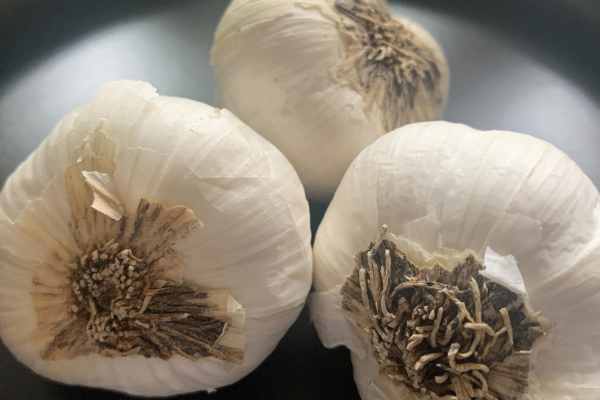
    Garlic has been revered for its medicinal properties for thousands of years, dating back to ancient civilizations that recognized its healing potential. But while fresh garlic has its place in the kitchen and in traditional medicine, modern science has uncovered something even more 

10 Powerful Beauty Remedies Using Castor Oil That Actually Work

10 Powerful Beauty Remedies Using Castor Oil That Actually Work

When it comes to natural beauty remedies that have stood the test of time, castor oil is one of the most powerful oils on earth. For hundreds of years, people have used castor oil for skin, hair, and even wellness benefits. Ancient Egyptians used it for skin care, Indian Ayurvedic medicine teaches its benefits, and today castor oil is experiencing a major comeback in natural beauty routines.

If you’re looking for a simple, affordable, chemical-free beauty ingredient that delivers real results, castor oil needs to be in your beauty cabinet.

This guide is going to show you:

• 10 powerful beauty remedies using castor oil
• step-by-step directions
• real benefits you can expect
• DIY recipes
• who should use it
• safety tips + when to avoid it

Let’s dive into one of nature’s most underrated beauty secrets.


What Makes Castor Oil So Powerful?

Castor oil is extracted from the seeds of the castor plant (Ricinus communis) and is rich in:

  • Ricinoleic acid (an anti-inflammatory fatty acid)

  • Omega-6 and omega-9 fatty acids

  • Vitamin E

  • Anti-fungal and anti-bacterial properties

This unique combination makes it:

✔ deeply moisturizing
✔ soothing for irritated skin
✔ powerful at stimulating hair follicles
✔ excellent for repairing damage
✔ amazing for reducing bacteria and inflammation

And unlike many commercial products, castor oil is non-toxic, plant-based, affordable, and long-lasting.


The 10 Best Beauty Remedies Using Castor Oil

Below are the top beauty benefits people use castor oil for — how it works, how to apply it, how long it takes, and easy recipes.


castor oil for hair growth

1. Castor Oil for Hair Growth

If you could only use castor oil for ONE beauty remedy, hair growth would be it.

Why it works

Castor oil contains ricinoleic acid, which helps:

  • Increase blood flow to the scalp

  • Nourish the roots

  • Strengthen hair follicles

  • Reduce breakage and hair fall

  • Encourage faster hair growth

Studies show that natural fatty acids can stimulate healthier hair over time.

How to apply

  1. Warm 1–2 tbsp of castor oil between your hands.

  2. Massage into your scalp for 3–5 minutes.

  3. Leave on for 1–4 hours — or overnight.

  4. Shampoo and rinse.

Best for:

✔ thinning hair
✔ slow growth
✔ damaged hair
✔ postpartum hair loss

How often

2–3 times per week is ideal.

Extra growth booster

Mix castor oil with:

  • coconut oil

  • rosemary oil

  • jojoba oil

This makes it spread easier and boosts results.


Thicker Eyelashes

2. Thicker Eyelashes + Eyebrows

This remedy has gone viral on Pinterest and TikTok.

Castor oil helps strengthen the lash and brow follicles and reduces shedding, which leads to thicker, fuller, darker-looking hair.

How to apply

  1. Dip a clean mascara wand or cotton swab into castor oil.

  2. Apply to brows or lashes before bed.

  3. Wash in the morning.

How long to see results

You’ll usually notice:

  • less shedding in 7 days

  • fuller lashes/brows within 3–6 weeks

Pro tip

Never get castor oil in your eyes—only apply along the lash line.


castor oil for skin moisturizing

3. Castor Oil for Skin Moisturizing + Anti-Aging

Castor oil is deeply hydrating and helps lock moisture into the skin better than many moisturizers.

Benefits for skin

✔ softens skin
✔ reduces fine lines
✔ smooths wrinkles
✔ improves elasticity
✔ nourishes dry patches

Because of the fatty acids, it creates a natural protective barrier.

How to use

  1. Cleanse face as normal.

  2. Rub 4–6 drops of castor oil between hands.

  3. Press onto skin like a serum.

Best for skin types:

✔ dry
✔ aging
✔ sensitive
✔ flaky

If you have acne-prone skin, use only a small amount (more tips on that later).


castor oil for puffy eyes and dark circles

4. Under-Eye Dark Circles + Puffiness

Castor oil works surprisingly well for the delicate eye area.

Why it helps

  • Improves circulation

  • Reduces inflammation

  • Hydrates thinning skin

How to apply

1–2 drops gently tapped under eyes each night.

Extra trick

Mix with a drop of vitamin E oil for an even stronger effect.


castor oil for soft lips

5. Lip Treatment for Soft, Smooth Lips

Castor oil is one of the most common ingredients in lip balms because it’s so hydrating.

Why it works

It forms a natural barrier that prevents moisture loss.

DIY lip mask

Mix:

  • 1 tsp castor oil

  • ½ tsp honey

Apply before bed for smoother lips by morning.

Excellent for:
✔ dry lips
✔ cracked lips
✔ chapped winter lips


castor oil for acne

6. Acne + Breakouts

This one surprises a lot of people.

Because castor oil is anti-inflammatory and anti-bacterial, it can actually help calm acne and kill acne-causing bacteria.

How to apply

Apply a small amount to:

  • inflamed spots

  • cystic bumps

  • acne scars

  • rough or irritated patches

Leave for 20–30 minutes then wash.

Important

Start small! Too much oil can clog pores. A thin layer is all you need.


castor oil for stretch marks

7. Stretch Marks + Scars

Castor oil is one of the best natural oils for reducing:

  • stretch marks

  • scars

  • uneven skin texture

  • discoloration

Why it works

The fatty acids penetrate deeply into skin and soften scar tissue.

How to use

Massage into scars or stretch marks daily for several weeks.


Castor oil for rough heels and dry feet

8. Rough Heels + Dry Feet

Castor oil works better than most foot creams.

How to apply

  1. Apply generously to clean dry feet.

  2. Put on cotton socks.

  3. Leave overnight.

Results

You’ll wake up with softer, smoother feet — especially with repeated use.


9. Nail Strengthening + Cuticle Repair

Castor oil helps strengthen weak or peeling nails and hydrates cracked cuticles.

How to use

Massage a few drops into nails and cuticles daily.

Tip

Do this after showering when skin absorbs better.


castor oil for frizzy hair

10. Split Ends + Frizzy Hair Repair

Even if you don’t put it on your entire scalp, castor oil works beautifully as a hair serum.

Benefits

✔ smoother ends
✔ less frizz
✔ shinier hair
✔ better hydration

How to apply

Rub a pea-sized amount between your fingers and apply to the ends of hair.

You can also use it as a weekly hair mask.


Types of Castor Oil to Look For

Not all castor oils are equal. Choose a high-quality version for the best results.

The best kind:

✔ Cold-pressed
✔ Hexane-free
✔ 100% pure
✔ Organic if possible

Another popular option is Jamaican Black Castor Oil, which is dark and thicker. It’s excellent for coarse or curly hair.


DIY Castor Oil Beauty Recipes

Here are simple recipes you can make at home.


DIY Overnight Hair Growth Treatment

Mix:

  • 2 tbsp castor oil

  • 1 tbsp coconut or jojoba oil

  • 3–4 drops rosemary oil (optional)

Massage into scalp. Leave overnight.


Strengthening Lash + Brow Serum

  • 1 tsp castor oil

  • 1 tsp vitamin E oil

Mix and apply nightly.


Anti-Aging Face Serum

  • 2 tsp castor oil

  • 1 tsp rosehip oil

Apply as a nighttime moisturizer.


DIY Lip Oil

  • castor oil

  • honey or shea butter

Apply as needed.


How Long Does It Take to Work?

You may notice improvements quickly:

Remedy Result Time
Lashes/Brows 2–6 weeks
Scars 4–8 weeks
Hair Growth 4–12 weeks
Under-eye 1–2 weeks
Skin hydration Immediate

Consistency is the real secret.


Who Should Avoid Castor Oil?

Avoid if:

  • you are allergic to castor oil

  • you have active eye infections

  • you have severe acne and sensitive skin

Always do a patch test.


Side Effects (Rare But Possible)

Some people may experience:

  • irritation

  • redness

  • mild breakouts

  • clogged pores if used too much

If that happens, reduce or discontinue use.


Frequently Asked Questions

Can castor oil grow hair faster?

Yes, it’s commonly used for stimulating thicker, healthier hair and reducing hair loss.

Can castor oil clog pores?

It can if you use too much. A small amount is usually safe.

Can I leave castor oil on overnight?

Absolutely — especially on your scalp, lashes, brows, and lips.

Is castor oil safe on sensitive skin?

Generally yes, just start slow and patch test.


Final Thoughts: Why Castor Oil Should Be in Every Beauty Routine

With just one bottle of castor oil, you can improve:

✔ hair growth
✔ lashes + brows
✔ skin + aging
✔ lips
✔ scars
✔ dryness
✔ nails
✔ overall hydration

It’s affordable, powerful, safe, and one of the oldest beauty remedies in the world. Unlike many store-bought products filled with chemicals and fragrance, castor oil is completely natural and effective.

If you want a multi-use beauty product that truly delivers — castor oil is one of the best.

Some other articles you may enjoy:

Marshmallow Root Tea Benefits and Uses: The Soothing Herbal Remedy for Gut and Throat Health
10 Little-Known Medicinal Teas You Should Try: Benefits, Uses & How to Brew Them

⚠️ Disclaimer

This information is for educational purposes only and not intended as medical or professional advice. Always patch test before use and consult a dermatologist or healthcare provider if you have sensitive skin, medical conditions, allergies, or are pregnant or breastfeeding.


25 Essential Baking Tools Every Home Baker Needs For The Holidays

25 Essential Baking Tools Every Home Baker Needs For The Holidays

Affiliate Disclosure:This post contains Amazon affiliate links. As an Amazon Associate, I may earn a small commission from qualifying purchases—at no extra cost to you. Thank you for supporting my plant-based kitchen!   Get Ready for the Holiday Baking Season! The holidays just feel different 

10 Healthy Holiday Appetizers That Are Vegan & Kid-Friendly

10 Healthy Holiday Appetizers That Are Vegan & Kid-Friendly

Festive, wholesome, and perfect for Christmas parties, school gatherings, and family celebrations. The holiday season is full of opportunities to snack, celebrate, and share delicious food with loved ones. Whether you’re hosting a Christmas party, preparing a school-friendly treat, or planning a cozy night in 

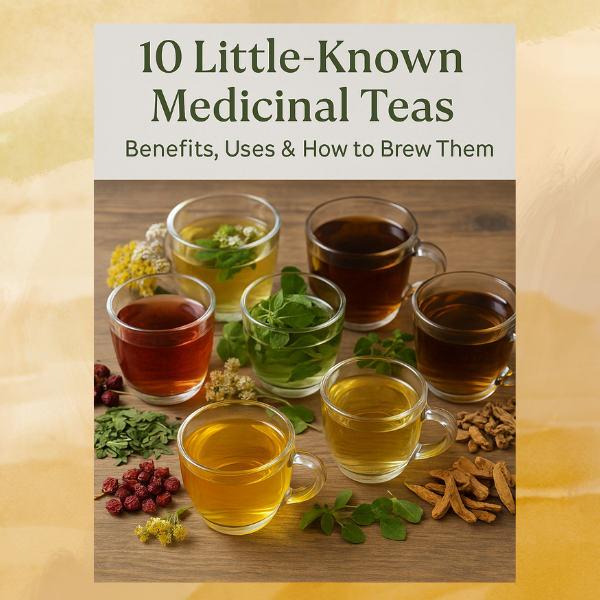
10 Little-Known Medicinal Teas You Should Try: Benefits, Uses & How to Brew Them

10 Little-Known Medicinal Teas You Should Try: Benefits, Uses & How to Brew Them

🌿 10 Little-Known Medicinal Teas You Should Try: 

Herbal teas have been used for thousands of years for healing, energy, vitality, and spiritual restoration. But in the modern world, most people stick to the basics: green tea, chamomile, peppermint, maybe ginger.

What many don’t realize is that there is a world of powerful, lesser-known healing teas—some ancient, some newly rediscovered—that offer incredible benefits for the mind, body, and spirit.

These teas come from leaves, roots, flowers, berries, bark, and seeds used in traditional medicinal practices across cultures—Ayurveda, Traditional Chinese Medicine, Korean herbalism, Native traditions, and European folk remedies.

In this guide, you’ll discover 10 unique teas people are searching for because of their potential to support energy, gut health, digestion, immunity, skin vitality, detox, stress reduction, and more.

This is a long-form, in-depth wellness article designed to educate, empower, and inspire. Perfect for your readers who love natural remedies, holistic living, and plant-based healing.


🌸 1. Omija Tea (Schisandra / Magnolia Berry Tea)

Korea’s “Five-Flavor Berry” Tea for Vitality, Circulation & Longevity

Omija tea comes from the bright red berries of the Schisandra chinensis plant, a fruit known in Korea as the “five-flavor berry” because it contains all five tastes at once:
✔ Sweet
✔ Sour
✔ Bitter
✔ Pungent
✔ Salty

This unique flavor spectrum is why Omija is deeply respected in both Korean traditional medicine and Traditional Chinese Medicine (TCM) as a harmonizing, balancing, restorative tonic.

🌿 Health Benefits of Omija Tea

Traditional uses include:

  • Supporting kidney health

  • Strengthening circulation

  • Improving vitality and stamina

  • Supporting liver detoxification

  • Enhancing mental clarity

  • Promoting respiratory strength

In TCM, Schisandra is considered an adaptogen, meaning it may help the body adapt to stress and restore balance.

🌼 Flavor Profile

Tangy, fruity, slightly salty, and beautifully complex.
Perfect as a refreshing summer iced tea.

🍵 How to Brew Omija Tea

  1. Rinse dried Omija berries.

  2. Add 1–2 tbsp berries to 3 cups of water.

  3. Simmer gently for 10–15 minutes.

  4. Strain and sweeten with honey (optional).

Serve hot or cold.

⚠️ Safety Notes

Avoid if pregnant, breastfeeding, or taking sedatives or seizure medications.


🌿 2. Jiaogulan Tea (Southern Ginseng)

The “Herb of Immortality” for Balance, Longevity & Stress Support

Known in China as Jiaogulan and sometimes called “Southern ginseng,” this climbing plant has a long history in Asian medicinal traditions.

People in the Guizhou province—known for unusually long lifespans—drink Jiaogulan daily.

🌿 Benefits of Jiaogulan Tea

  • Considered a powerful adaptogen

  • Used for stress resilience

  • Helps support healthy blood sugar

  • May help balance cholesterol levels

  • Supports heart and circulatory health

  • Provides a natural energy boost without caffeine

🍃 Flavor Profile

Herbal, mildly sweet, slightly earthy.
Less bitter than green tea.

🍵 How to Brew Jiaogulan Tea

  • Steep 1 tsp dried leaves in hot (not boiling) water

  • Steep 3–5 minutes

⚠️ Safety Notes

Avoid if pregnant or on blood-thinning medications.


🌿 3. Kuding Tea

One of the Most Bitter Teas in the World—But Loaded with Antioxidants

Kuding tea is not for the faint of heart.
It’s often described as shockingly bitter, but in Chinese medicine, bitterness is associated with cleansing, cooling, and detoxification.

🌿 Health Benefits of Kuding Tea

  • Said to help with weight loss

  • Traditionally used for skin health and UV protection

  • Supports blood sugar balance

  • May help with high blood pressure support

  • Considered cooling in TCM

  • High antioxidant content

🍃 Flavor Profile

EXTREMELY bitter—similar to dark medicinal herbs.
Often sweetened or blended with goji berries.

🍵 How to Brew Kuding Tea

  • Use ONE leaf — that’s enough!

  • Steep 1–2 minutes

  • Re-steep multiple times

⚠️ Safety Notes

Avoid during pregnancy.
May cause nausea if brewed too strong.


Gotu Kola Tea


🌿 4. Gotu Kola Tea

Ancient Brain & Nerve Tonic for Memory, Focus, and Circulation

Beloved in Ayurveda and TCM, Gotu Kola is known as the “herb of enlightenment.”
Its historical uses include meditation support, mental clarity, and longevity.

🌿 Benefits of Gotu Kola Tea

  • Supports brain health

  • May improve memory and focus

  • Supports blood circulation

  • Used for nerve repair

  • Supports skin healing

  • Helps balance stress and anxiety

🍃 Flavor Profile

Mild, grassy, earthy.

🍵 How to Brew Gotu Kola Tea

  • Steep 1–2 tsp dried leaves in hot water

  • Steep 5–7 minutes

⚠️ Safety Notes

Avoid if pregnant, breastfeeding, or taking sedatives.


marshmallow root tea

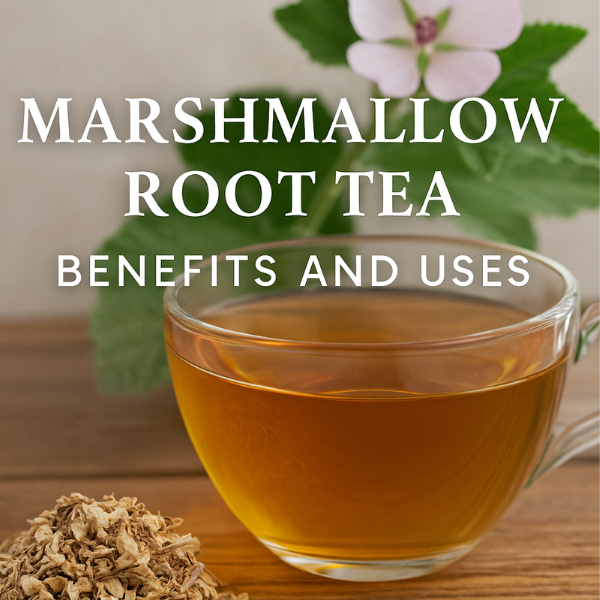
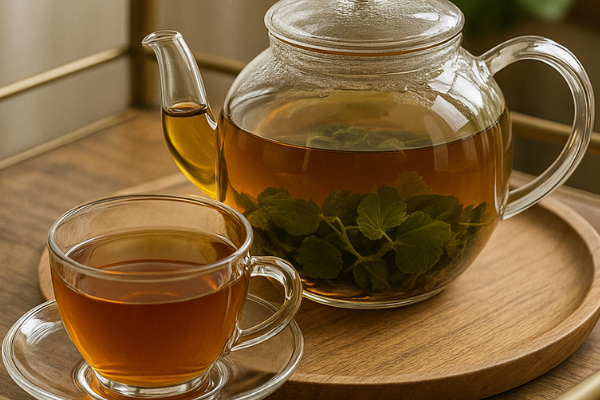
🌿 5. Marshmallow Root Tea

Gentle, Soothing Tea for Throat, Stomach, and Gut Inflammation

Marshmallow root tea is mucilaginous, meaning it becomes thick, silky, and soothing when steeped.

🌿 Benefits of Marshmallow Root Tea

  • Coats and soothes throat irritation

  • Helps acid reflux and GERD

  • Supports IBS and gut lining repair

  • Eases stomach inflammation

  • Traditionally used for UTI and bladder soothing

  • Supports skin healing

🍃 Flavor Profile

Mild, slightly sweet, soft.

🍵 How to Brew

  • Steep in warm (not boiling) water to preserve mucilage

  • 10–15 minutes for light brew

  • 1 hour for thicker gut-healing brew

⚠️ Safety Notes

Avoid with blood-sugar medications.
Take away from prescriptions.


🌿 6. Yarrow Tea

Women’s Wellness Herb for Cramps, Digestion & Wound Support

Yarrow has been used for centuries in European folk medicine.

🌿 Benefits of Yarrow Tea

  • Helps relieve menstrual cramps

  • Supports digestion

  • Traditionally used for wound healing

  • May help with fevers

  • Supports circulatory health

🍃 Flavor Profile

Floral, bitter, earthy.

🍵 How to Brew

  • Steep 1–2 tsp dried yarrow

  • 8–10 minutes

⚠️ Safety Notes

Avoid during pregnancy.


🌿 7. Tulsi Tea (Holy Basil)

Adaptogenic Herb for Stress, Immunity & Hormonal Balance

Tulsi is one of the most sacred herbs in Ayurveda and is often called the “Queen of Herbs.”

🌿 Benefits of Tulsi Tea

  • Powerful adaptogen

  • Supports stress and adrenal balance

  • Helps regulate blood sugar

  • May improve digestion

  • Supports respiratory health

  • Boosts immunity

🍃 Flavor Profile

Peppery, floral, slightly sweet.

🍵 How to Brew

  • Steep 1 tsp dried tulsi

  • 5–7 minutes

⚠️ Safety Notes

Avoid if taking blood-thinning medications.


Moringa Tea

🌿 8. Moringa Tea

The Miracle “Moringa Oleifera” Tea for Daily Nutrition

Moringa is often called the Tree of Life for its dense nutrition.

🌿 Nutritional Benefits

Moringa leaves contain:

  • Iron

  • Calcium

  • Potassium

  • Vitamin A

  • Vitamin C

  • Protein

  • Antioxidants

💚 Benefits

  • Supports energy naturally

  • Helps balance blood sugar

  • Supports heart and circulation

  • Nourishes skin and hair

  • Supports detox and liver health

  • Helps reduce inflammation

🍵 How to Brew

  • Steep 1–2 tsp dried leaves

  • 3–5 minutes

⚠️ Safety Notes

Avoid during pregnancy without supervision.


🌿 9. Dandelion Tea

Liver-Loving Detox Tea for Digestion & Hormone Balance

Dandelion leaf and root have been used in herbal medicine for centuries.

🌿 Benefits of Dandelion Tea

  • Supports liver detoxification

  • Helps cleanse the gallbladder

  • Supports kidney health

  • Helps reduce water retention

  • Supports healthy digestion

  • Traditionally used for skin clarity

🍃 Flavor Profile

Earthy, leafy, slightly bitter.

🍵 How to Brew

  • Leaf: 3–5 minutes

  • Root: simmer 10–15 minutes

⚠️ Safety Notes

Avoid if allergic to ragweed.


🌿 10. Lapacho (Taheebo) Tea

Bark Tea for Immunity, Inflammation & Traditional Healing

Lapacho comes from the bark of the Pau d’Arco tree, native to South America.

🌿 Benefits of Lapacho Tea

  • Traditionally used for immune support

  • Supports anti-inflammatory balance

  • Used for candida and fungal issues

  • Helps support skin health

  • May help with detoxification

🍵 How to Brew Lapacho Tea

  • Simmer bark gently for 10–15 minutes

  • Strain

⚠️ Safety Notes

Avoid during pregnancy.
Check for quality—bark impurities are common.

These 10 less-common medicinal teas offer a world of healing benefits that go far beyond everyday herbal blends. Whether you’re looking to soothe digestion, support stress, balance hormones, nourish the body, or explore traditional remedies, each of these teas brings something unique and powerful.

Disclaimer:
The information in this article is for educational purposes only and should not replace professional medical advice, diagnosis, or treatment.
Always consult your healthcare provider before using herbal teas or any herbal supplement — especially if you are pregnant, nursing, taking medications (particularly for diabetes, blood pressure, or thyroid), or managing chronic health conditions.
Natural remedies can be powerful and effective, but they should always be used responsibly and with guidance when needed.

Gotu Kola Tea: Benefits, Uses, History & How to Make It

Gotu Kola Tea: Benefits, Uses, History & How to Make It

For centuries, herbs have been used to support the body in gentle, natural ways. One of the most treasured plants in Ayurvedic and Traditional Chinese Medicine is Gotu Kola—an ancient herb known for supporting memory, enhancing circulation, calming inflammation, and promoting longevity. Today, Gotu Kola 

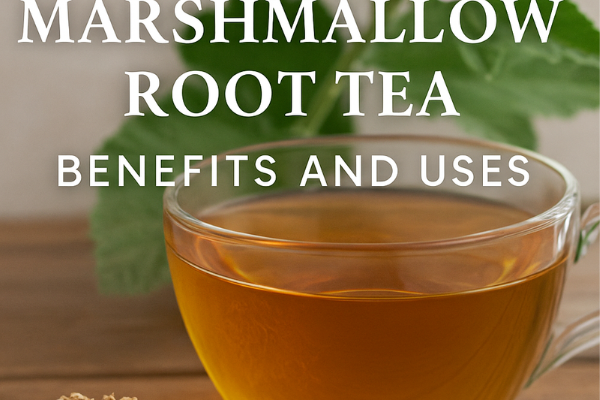
Marshmallow Root Tea Benefits and Uses: The Soothing Herbal Remedy for Gut and Throat Health

Marshmallow Root Tea Benefits and Uses: The Soothing Herbal Remedy for Gut and Throat Health

If you’ve ever struggled with digestive issues, sore throats, or irritated skin, marshmallow root tea might just be one of nature’s most gentle and healing herbal allies.Unlike the sugary marshmallows we toast over campfires, the marshmallow plant (Althaea) is a time-tested medicinal herb used for 

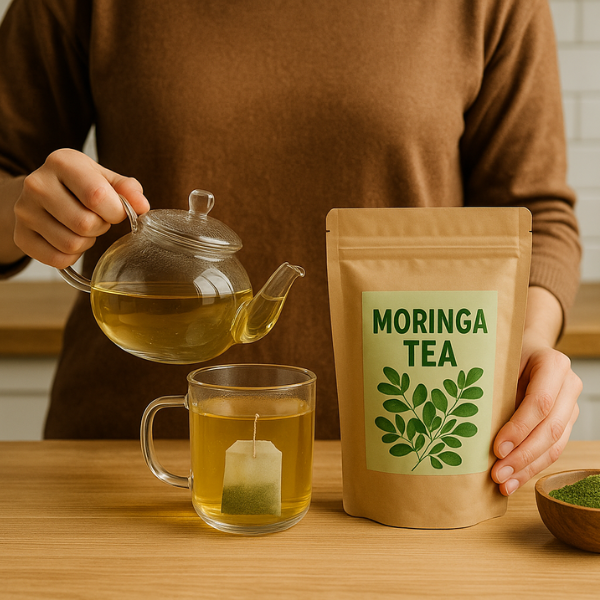
The Ultimate Guide to Moringa Tea: Benefits, Nutrition, and How to Brew It

The Ultimate Guide to Moringa Tea: Benefits, Nutrition, and How to Brew It

Moringa tea has been praised as one of the most nutrient-dense herbal drinks on earth — and for good reason. Known as Moringa oleifera, this vibrant green plant has been part of traditional medicinal uses for thousands of years across Africa, India, and Asia.

If you’re looking for a natural way to boost your energy, nourish your body, and support your overall wellness, moringa tea is a beautiful addition to your daily ritual. In this guide, you’ll learn what moringa tea is good for, when to drink it, who should avoid it, and how to brew the perfect cup.


🌱 What is Moringa Tea?

Moringa tea is made from the dried leaves of the Moringa oleifera tree — often called the “miracle tree” or “tree of life.”
This hardy, fast-growing tree thrives in warm climates and is native to northern India but is now cultivated worldwide for its powerful nutritional and medicinal value.

Traditionally, the entire moringa tree has been used for food and healing. The leaves, pods, seeds, and even roots have found a place in traditional medicinal uses for supporting energy, immunity, and vitality. Today, moringa leaves are dried and steeped in hot water to create a naturally caffeine-free tea that’s mild, earthy, and slightly grassy — somewhat like green tea but gentler.


💪 What Is Moringa Tea Good For?

Moringa tea is often described as a nutrient powerhouse — a cup packed with plant-based vitamins, minerals, and antioxidants. Here’s what research and traditional herbal wisdom suggest about its potential benefits:

1. Supports Healthy Blood Sugar Levels

Studies have shown that Moringa oleifera leaves may help regulate blood glucose levels by improving insulin sensitivity and reducing sugar spikes after meals.
This makes moringa tea a great choice for those watching their blood sugar or looking for natural support for metabolic balance.

2. Promotes Heart Health

Moringa tea is rich in antioxidants like quercetin and chlorogenic acid, which can help protect against oxidative stress — a key factor in heart disease.
It may also support healthy cholesterol levels and circulation, especially when combined with a balanced plant-based diet.

3. Boosts Energy Naturally

Unlike coffee, moringa tea doesn’t contain caffeine, yet it’s often reported to enhance energy and focus.
This is due to its rich blend of vitamins (especially B vitamins) and iron, which help transport oxygen to the cells and combat fatigue.

4. Supports Detox and Liver Function

Moringa oleifera has been used in traditional medicinal practices for cleansing and detoxifying the body.
Its natural compounds help the liver filter toxins more efficiently while providing antioxidant support to reduce inflammation.

5. Enhances Skin and Hair Health

Moringa tea’s high content of vitamin C, vitamin A, and amino acids helps promote collagen production, skin repair, and hair growth.
Regular consumption may help your skin glow and your hair stay strong and shiny — all from the inside out.

6. Strengthens Immunity

Rich in antioxidants, moringa tea provides support for your immune system.
Compounds like isothiocyanates and flavonoids help protect cells from free-radical damage and support a balanced inflammatory response.

7. Aids Digestion

Traditionally, moringa tea has been used to soothe the digestive tract.
It can help calm bloating, support regular bowel movements, and promote gut health — making it a great post-meal beverage.


🧠 Nutritional Facts of Moringa Tea

While exact values vary based on how the tea is prepared, Moringa oleifera leaves are among the most nutrient-dense plants on earth.
Here’s what makes it such a standout:

Nutrient Approximate Content (per 100g dried leaves) Key Benefit
Vitamin C 200 mg Boosts immune system, collagen synthesis
Vitamin A 16,000 IU Supports eye and skin health
Calcium 400 mg Strengthens bones and teeth
Potassium 300 mg Maintains heart rhythm and hydration
Iron 20 mg Supports red blood cell production
Protein 25% of dry weight Provides essential amino acids
Magnesium 150 mg Relaxes muscles and supports nerve function
Antioxidants High Protects against oxidative stress

💡 Fun fact: Moringa leaves contain more vitamin C than oranges, more calcium than milk, and more iron than spinach — making it an excellent addition to vegan and plant-based diets.


When to drink Moringa Tea


☀️ When to Drink Moringa Tea — Morning or Night?

You can enjoy moringa tea at any time of the day, but when you drink it can influence how it supports your body.

Morning: For Energy and Focus

Drinking moringa tea in the morning is ideal if you want a natural energy boost without caffeine.
It helps awaken your body gently, promote metabolism, and prepare you for the day ahead. Try sipping it instead of coffee or green tea.

Afternoon: For Digestive Support

After lunch, moringa tea can help aid digestion and reduce sluggishness.
Its mild diuretic properties can help eliminate excess water and reduce bloating.

Evening: For Relaxation and Detox

If you prefer to drink it at night, go for a light brew (1 tsp leaves in 8 oz hot water).
Moringa’s soothing properties can help you unwind, though some people report feeling slightly alert due to the iron and nutrient boost.
If you’re sensitive to energy-enhancing herbs, it’s best to drink it before 6 p.m.


🚫 Who Should Not Use Moringa Tea?

While moringa tea is considered safe for most people, there are important health warnings and precautions to keep in mind.

⚠️ Health Warning for Moringa Tea

  • Pregnant or breastfeeding women should avoid moringa tea made from roots or bark, as these parts of the plant may contain compounds that could cause uterine contractions or affect milk supply.

  • People on blood-pressure or diabetes medication should consult a healthcare professional before use. Moringa may naturally lower blood sugar and blood pressure, which can intensify the effects of medications.

  • Individuals with thyroid disorders should exercise caution, as high intake of moringa may influence thyroid hormone levels.

  • Always choose food-grade, organic moringa tea leaves. Avoid powdered supplements from unverified sources, as they may contain contaminants. The Food and Drug Administration (FDA) does not regulate moringa supplements and has not approved the use of any parts of the moringa plant in the treatment or mitigation of disease.

🩺 Disclaimer: This article is for informational purposes only and should not replace medical advice. Always consult your doctor before adding any herbal tea or supplement to your daily routine.


🍵 How to Brew Moringa Tea

Brewing moringa tea is simple — and there are several ways to do it depending on whether you’re using loose leaves, powder, or tea bags.

🌿 Ingredients:

  • 1–2 teaspoons dried Moringa oleifera leaves (or 1 tea bag)

  • 1 cup (8 oz) hot water (about 180°F / 82°C — not boiling)

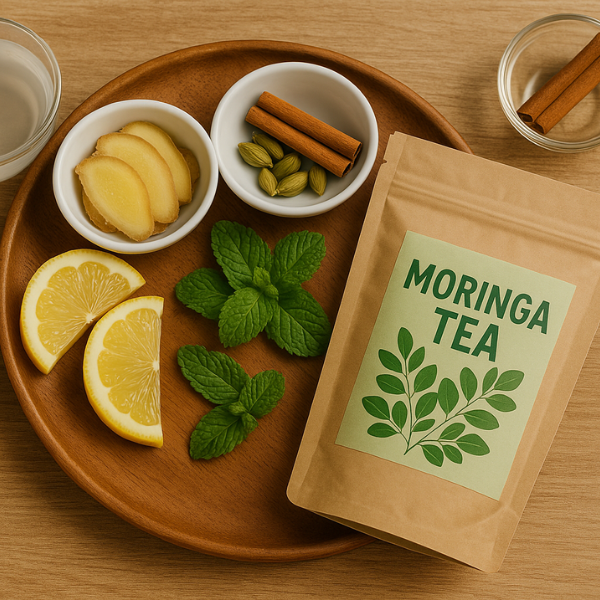
  • Optional: 1 tsp lemon juice, ½ tsp raw honey, or a slice of ginger

🫖 Instructions:

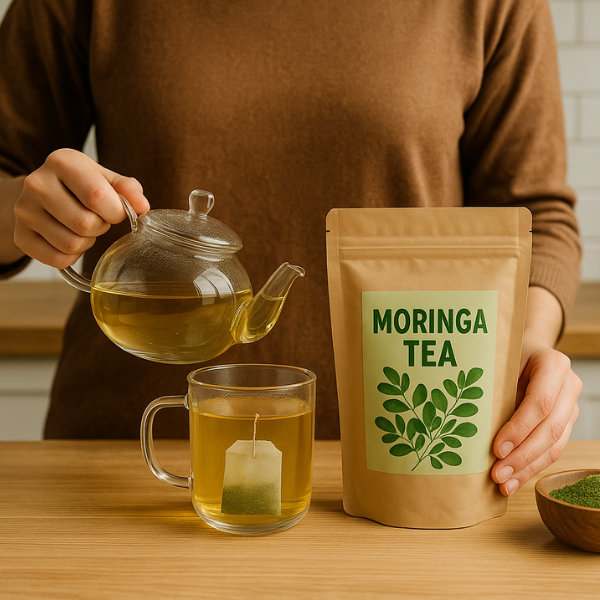
  1. Boil the Water: Heat your water until it’s hot but not boiling.

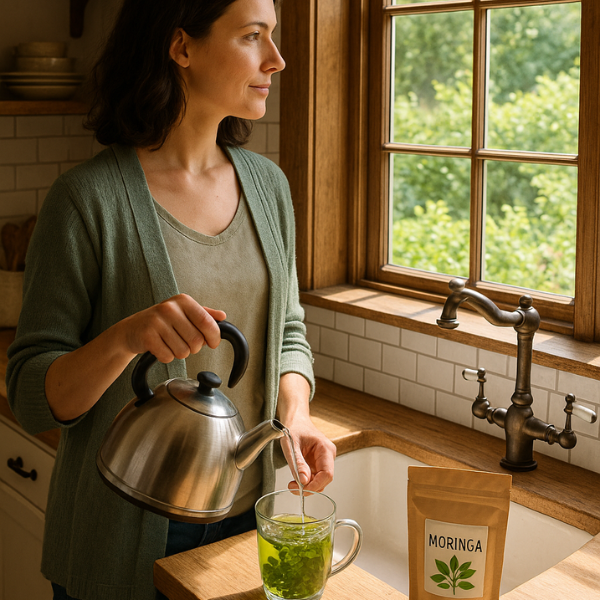
  2. Steep the Leaves: Add moringa leaves to your tea infuser or teapot. Pour the hot water over the leaves.

  3. Steep Time: Let it steep for 3–5 minutes for a mild flavor or up to 8 minutes for a stronger brew.

  4. Strain & Serve: Strain the tea into your cup.

  5. Enhance the Flavor: Add a squeeze of lemon or drizzle of honey to balance the earthy notes.

💡 Pro tip: To maximize nutrient extraction, lightly cover your cup while steeping. This helps retain heat and essential volatile compounds.


🧊 Optional: Moringa Iced Tea

For a refreshing version:

  • Brew as above, then let cool.

  • Add lemon slices and chill in the refrigerator for 2–3 hours.

  • Serve over ice with mint or cucumber.

Perfect for summer afternoons or post-workout hydration.


🌺 Moringa Tea Recipe

Homemade Moringa Tea Recipe

Ingredients

  • 1–2 tsp dried Moringa oleifera leaves or powder

  • 1 cup filtered water

  • Optional: fresh lemon juice, raw honey, or grated ginger

Instructions

  1. Boil water and allow it to cool slightly.

  2. Add moringa leaves or powder to a teapot or infuser.

  3. Pour in hot water and let steep for 3–5 minutes.

  4. Strain, add optional ingredients, and enjoy warm or cold.

Serving Tip:
Enjoy your moringa tea with a light vegan breakfast like oatmeal, chia pudding, or a smoothie bowl. The nutrients in moringa pair beautifully with vitamin-C-rich foods that enhance iron absorption.


🌿 Traditional Medicinal Uses of Moringa Oleifera

In ancient Ayurvedic medicine, Moringa oleifera was said to prevent or treat more than 300 ailments.
Here are a few traditional medicinal uses still recognized today:

  • Anti-inflammatory: Used to reduce swelling and joint pain.

  • Antimicrobial: Moringa leaf and seed extracts were applied to fight bacterial and fungal infections.

  • Digestive support: Brewed as a tea to soothe indigestion and aid nutrient absorption.

  • Detoxifying agent: Leaves and seeds were used to purify water and detoxify the body.

  • Reproductive health: In some traditional systems, moringa leaves were given to strengthen the body after childbirth.

While modern science is still exploring these uses, moringa’s rich nutrient and antioxidant profile supports many of these age-old benefits.


🕰️ How Often Can You Drink Moringa Tea?

Most people enjoy 1–2 cups per day safely.
Start with one cup daily and see how your body responds. Since moringa is nutrient-dense, moderation ensures your body can absorb and utilize its goodness effectively.

If you’re using powdered moringa (in smoothies or capsules) and drinking moringa tea, be sure not to exceed the recommended dosage — typically around 1 teaspoon of dried powder per day for general wellness.


Flavoring for Moringa Tea

🌼 Flavor and Pairing Tips

Moringa tea’s earthy, green flavor pairs well with:

  • Lemon or lime (adds brightness)

  • Ginger (adds warmth and spiciness)

  • Mint (refreshing and cooling)

  • Cinnamon or cardamom (comforting and aromatic)

  • Coconut water (for cold infusions)

Try mixing moringa with other herbal teas like lemongrass, tulsi (holy basil), or hibiscus for layered wellness blends.


💚 Final Thoughts: Why You Should Try Moringa Tea

Moringa oleifera is one of the most powerful and sustainable plants you can add to your wellness routine.
It provides a natural way to support energy, detox, heart health, and skin vitality — all while being caffeine-free and completely plant-based.

Whether you’re exploring traditional medicinal uses or simply want a nutrient-rich herbal tea, moringa offers a unique blend of science and ancient wisdom.
Brew it in the morning for energy, sip it in the afternoon for digestion, or enjoy it before bed for gentle detox and relaxation.


📜 Health Disclaimer

This content is for educational purposes only and is not intended to diagnose, treat, or cure disease.
Consult your healthcare provider before using moringa tea if you are pregnant, breastfeeding, or taking any medication for blood sugar, blood pressure, or thyroid conditions.
Always purchase from reputable brands to ensure purity and quality.

You may also enjoy these articles:

Moringa Smoothie Recipe: The Ultimate Vegan Superfood Drink for Energy and Health

25 Uses for Moringa: The Tree of Life Superfood

Health Benefits of Drinking Clove Tea

Health Benefits of Drinking Clove Tea

Clove tea is an ancient herbal remedy with powerful healing properties that support everything from heart health to immune balance. This warm, aromatic drink is made by steeping dried clove buds — a spice packed with antioxidants, vitamins, and minerals. Whether you’re looking to lower