Recent Posts

Red Lentil Dal Soup Easy Recipe

Red Lentil Dal Soup Easy Recipe

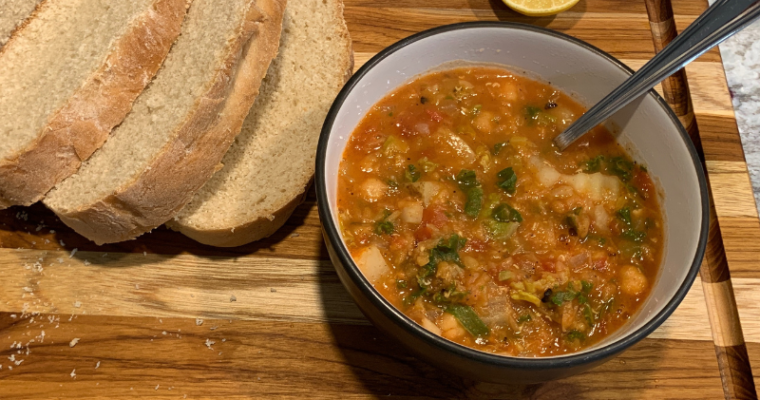
This Red Lentil Dal Soup is such a warm and comforting soup to make. Great for weeknight dinners.  Serve with your favorite crusty bread or a side dish of rice. There is nothing better than a pot full of homemade soup that you can enjoy 

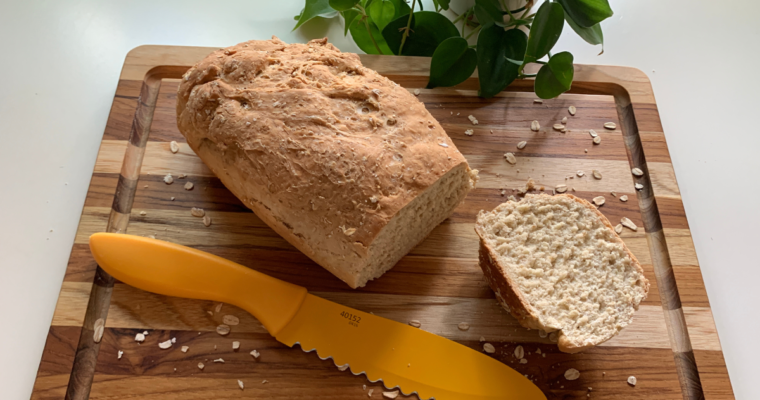
Oatmeal Bread from Scratch

Oatmeal Bread from Scratch

The Wholesome Goodness of Oat Bread Looking for a healthy and more affordable sandwich bread? This easy Oatmeal Bread made from scratch is a simple and easy recipe to make. In the realm of wholesome, nutritious bread options, oat bread shines as a golden standard. 

Homemade Potato Bread Recipe

Homemade Potato Bread Recipe

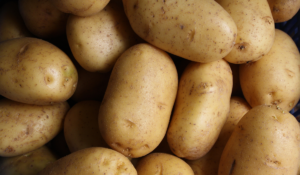
Potato Bread

Warm and Delicious: A Step-by-Step Recipe for Making Homemade Potato Bread

There’s something undeniably comforting about the aroma of freshly baked bread wafting through your kitchen. If you’re a bread lover, you’re in for a treat because we’re about to embark on a culinary journey to create one of the most delightful bread varieties: homemade potato bread. This soft, moist, and flavorful bread is perfect for sandwiches, toast, or simply enjoying on its own.

Why Potato Bread?

Potatoes are a secret weapon in bread-making. They add moisture and a subtle sweetness to the dough, resulting in a soft and tender crumb. Potato bread also stays fresh longer due to the potato starch. It’s a versatile bread that pairs well with both sweet and savory spreads.

The Origins and Evolution of Potato Bread

Potato bread’s history can be traced back to ancient civilizations. While the exact origins remain somewhat obscure, it is believed that the Incas in South America were among the first to cultivate and use potatoes around 8000 BCE. These early potatoes were quite different from the ones we know today, smaller and more bitter in taste.

Potatoes in Europe

The introduction of potatoes to Europe was a pivotal moment in the evolution of potato bread. Spanish explorers brought potatoes back from the New World in the late 16th century. Initially, Europeans were cautious about this new crop, but over time, potatoes gained popularity as a reliable and versatile food source.

In Ireland, in particular, the potato became a staple crop by the early 18th century. The Irish began incorporating mashed potatoes into their traditional bread recipes, giving rise to a version of potato bread. It was a simple but hearty bread that helped sustain the Irish population during times of hardship.

The Emergence of Modern Potato Bread

The transition from rustic Irish potato bread to the softer, modern version we know today can be attributed to the 19th century. As baking techniques improved and culinary creativity flourished, bakers began experimenting with different ingredients and processes.

One significant development was the use of potato flakes or potato flour, which made it easier to incorporate potatoes into the bread dough. This innovation contributed to a softer crumb and a more consistent texture in potato bread.

Rewards of making homemade potato bread.

Making homemade potato bread is a fulfilling and rewarding endeavor. The scent of freshly baked bread filling your home is just the beginning of the satisfaction you’ll derive from this process. So, roll up your sleeves, gather your ingredients, and embark on the journey of creating your very own delicious, homemade potato bread. Your taste buds will thank you for it. Enjoy!

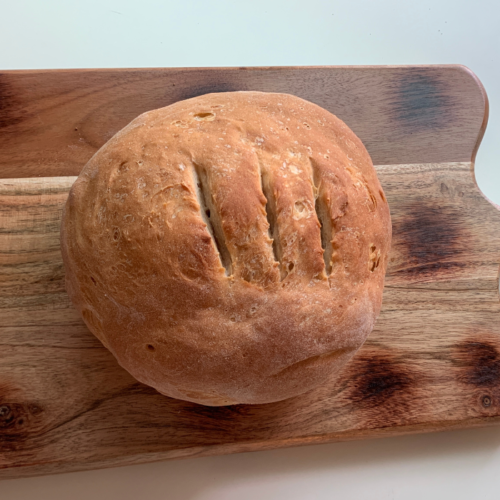
Homemade Potato Bread out of oven

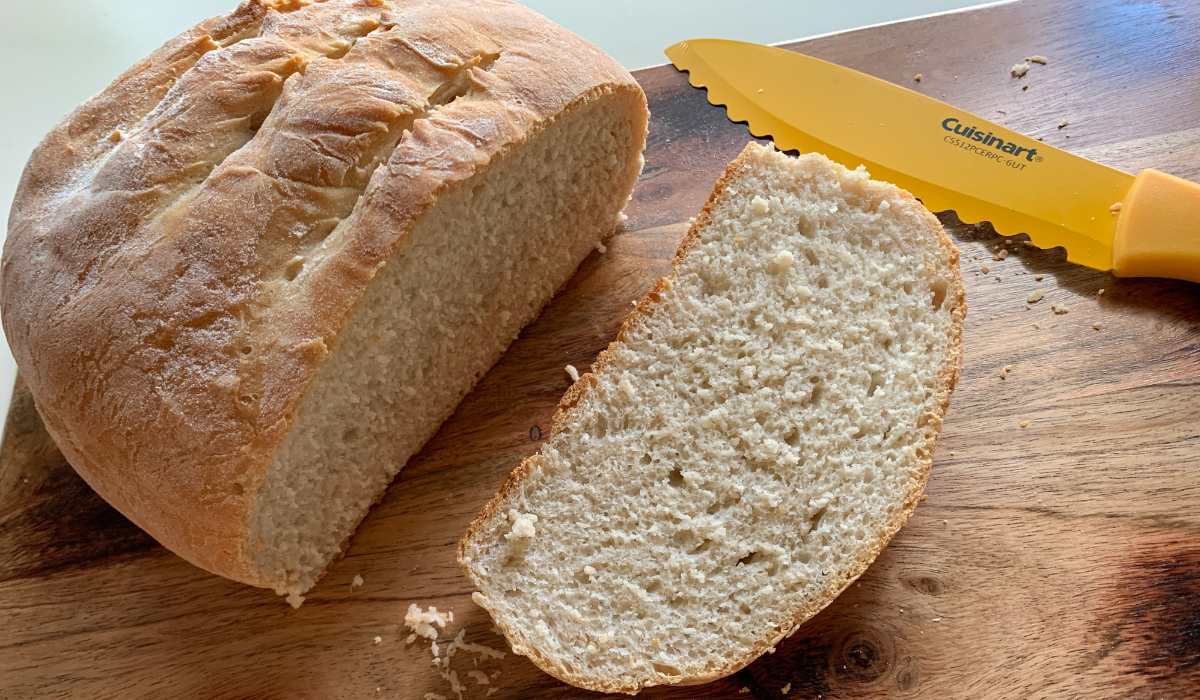
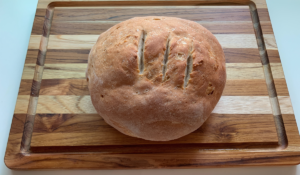
Potato Bread on cutting board

Homemade Potato Bread Recipe

vicky schulte
Creating homemade potato bread is not only a culinary adventure but also a rewarding experience that fills your home with the inviting aroma of freshly baked bread. Give it a try and savor the satisfaction of a job well done. This recipe will make two loaves.
Prep Time 1 hour 30 minutes
Cook Time 50 minutes
Total Time 2 hours 20 minutes
Course Breakfast, Dinner, Side Dish
Cuisine American
Servings 6

Ingredients
  

  • 6 cups bread flour
  • 1 tbsp fine sea salt
  • 2 tbsp instant yeast
  • 2 cups hot water
  • 1 cup mashed potatoes
  • 2 tbsp honey

Instructions
 

  • Set up mixer using a dough hook
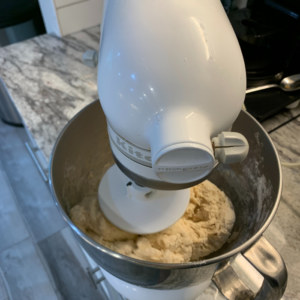
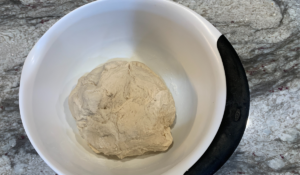
    Mixing dough
  • Put 4 cups of bread flour, salt and yeast into mixing bowl. Place salt on one side of bowl and yeast on the other side of bowl. Stir ingredients together.
  • Add in the hot water, potatoes and honey. Use a spatula to mix and incorporate the flour before turning on mixer.
  • Mix for 1 minute on #1 of your mixer. Turn speed up to #4. Mix with mixer for 10 to 15 minutes until you see strands forming in the dough.
  • Stop mixing after strands form and add in the remaining 2 cups of bread flour.
    Stir the flour in with a spatula before turning mixer back on.
    Mix on #4 of mixer for 3-4 minutes. Your bread dough should be coming together. You want a firm but moist dough. Add in a tablespoon of flour at a time of dough is too wet.
  • Transfer dough into a mixing bowl and cover with wax paper. Let the dough rise until it has doubled in size. Should take 1/2 hr to an hour.
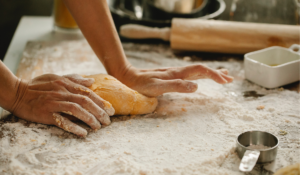
  • Turn dough onto a floured counter top and knead several times until the dough is smooth an doesn't stick. Add a bit of flour if needed.
    Kneading dough
  • With a sharp knife, cut dough into two equal pieces. Shape each loaf into an oval. Put each loaf onto a baking sheet lined with parchment paper. Sprinkle some flour on top of each loaf if you like.
  • Cover both loaves with wax paper and let rise until they have double in size.
  • After they rise, carefully slash each loaf once or twice with a knife.
  • Bake for 50 minutes or until the loaves are a nice golden brown. Insert a thermometer inside. Once it reads 190℉ the bread is done.
  • Remove from oven and let bread cool completely.
    Potato Bread Cooling
Keyword baking bread, bread baking, bread dough, bread kneading, Bread making, Bread Recipe, bread rising, bread slicing, freshly baked bread, homemade bread, Potato Bread, potato-based recipes, soft bread, Vegan bread, yeast bread

You may also like:

Oatmeal Bread from Scratch

The Best Homemade Pumpkin Bagels

The Best Homemade Pumpkin Bagels

The Perfect Pumpkin Bagel Recipe We will be creating homemade pumpkin bagels in this recipe. The secret to a crisp outer crust and chewy middle is all in the baking process. Making these treats from scratch is easier than you think. As the leaves start 

Sweet Potato Lasagna Vegan

Sweet Potato Lasagna Vegan

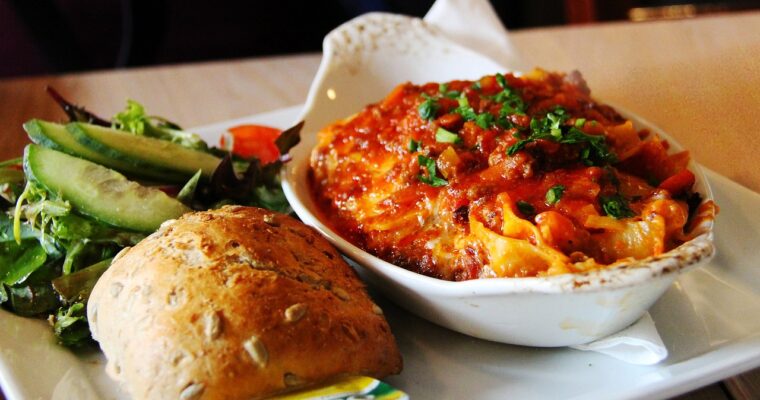
I have always loved lasagna but after becoming plant based it was hard to find a lasagna that I truly loved. Then I discovered Sweet Potato Lasagna and its now one of my favorite recipes by far. Even my non-vegan husband loves this recipe. It’s 

Plant Powered Protein: Where Do Vegans Get Their Protein From

Plant Powered Protein: Where Do Vegans Get Their Protein From

Plant Based Foods


Meeting protein requirements on a plant-based diet is not only possible but also beneficial for overall health. Switching to a plant based diet offers many health benefits but many people worry that they will not be able to meet their protein needs if they switch to a WFPB diet.

It is entirely possible to maintain your protein intake and all of your nutritional needs on a plant based diet. The only thing you need to supplement is a B12 daily.

Before diving into gender-specific protein needs, it’s important to understand the basics of plant-based protein. While animal products are rich in complete proteins (containing all essential amino acids), plant-based sources may lack some amino acids. To compensate, individuals can combine different plant-based protein sources to create complete protein profiles. Common plant-based protein sources include legumes (beans, lentils, and peas), whole grains (quinoa, oats, and brown rice), nuts, seeds, and tofu.

Protein Requirements for Men

Men generally require more protein than women due to differences in muscle mass and overall body size. According to the Dietary Reference Intake (DRI), men aged 19-70 need approximately 56 grams of protein per day for a sedentary lifestyle. However, active men and athletes may need more, ranging from 1.2 to 2.2 grams of protein per kilogram of body weight.

A study published in the American Journal of Clinical Nutrition found that vegan men who carefully planned their diets met or exceeded their protein needs, consuming an average of 78 grams of protein daily.

Protein Requirements for Women

Women, on the other hand, generally require slightly less protein than men. According to the DRI, women aged 19-70 need approximately 46 grams of protein per day for a sedentary lifestyle. Active women and athletes may need slightly more, ranging from 1.2 to 2.2 grams of protein per kilogram of body weight.

A study published in the Journal of the Academy of Nutrition and Dietetics found that vegetarian women who carefully planned their diets met their protein requirements, with an average daily protein intake of 67 grams.

Tips for Meeting Protein Requirements on a Plant-Based Diet

  • Diverse Protein Sources: Incorporate a variety of plant-based protein sources into your diet to ensure a broad spectrum of amino acids. Mix legumes, whole grains, nuts, seeds, and tofu to create complete protein profiles.
  • Portion Control: Pay attention to portion sizes, especially if you’re physically active. Larger portions of protein-rich foods can help meet increased protein needs.
  • Protein-Rich Snacks: Include protein-rich snacks like roasted chickpeas, edamame, or nut butter on whole-grain toast to boost daily protein intake.
  • Supplements: If you struggle to meet your protein requirements through food alone, consider plant-based protein supplements like pea protein, rice protein, or hemp protein powder.
  • Consult a Registered Dietitian: For personalized guidance, consult a registered dietitian who specializes in plant-based nutrition. They can help you create a balanced diet plan that meets your specific protein needs.

There are some great documentaries out there that have explored this topic such as:

After watching these documentaries and reading Dr. Caldwell Esselstyn’s Book “Prevent and Reverse Heart Disease” I was sold on following a WFPB diet for myself. Men and women can achieve their protein goals by carefully planning their diets, diversifying protein sources, and paying attention to portion sizes.

Hospital-based and clinical trials confirm that well-balanced plant-based diets can provide sufficient protein for both genders, allowing individuals to thrive on this sustainable and health-conscious dietary choice. By following these guidelines and consulting with a registered dietitian when needed, anyone can embrace the benefits of a plant-based lifestyle while meeting their protein needs.
What are the Health Benefits of Eating Beans

What are the Health Benefits of Eating Beans

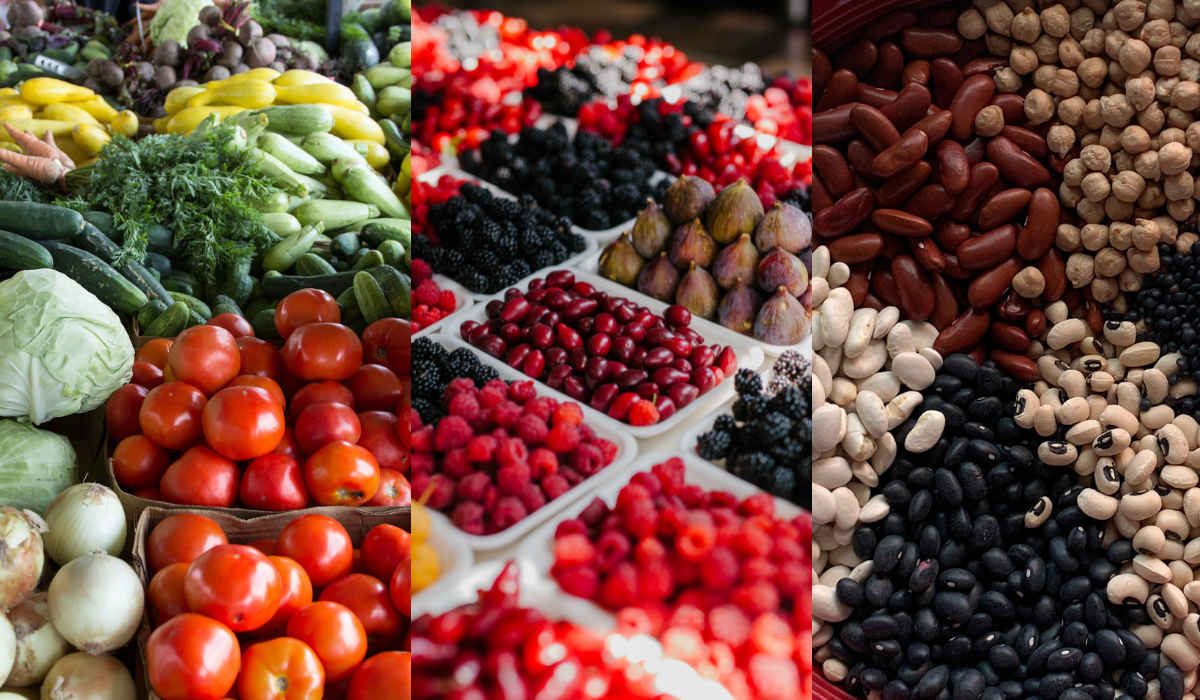
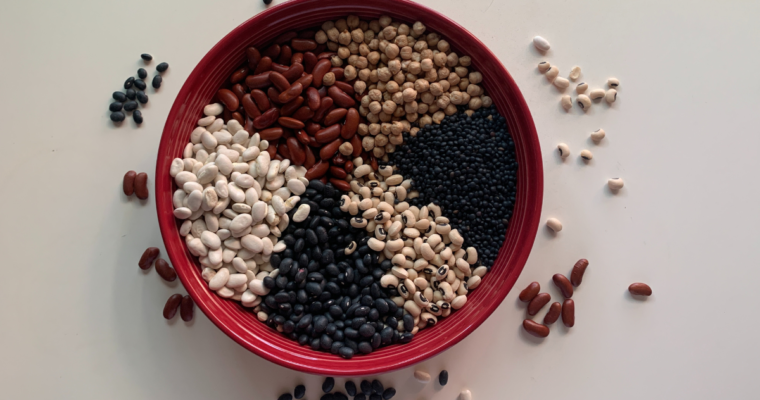
As more and more of us start to take our health more seriously, you may be asking “What are the Health Benefits of Eating Beans”? Beans- A staple in a healthy plant based diet Beans are a nutritional powerhouse offering a rich source of essential 

Mushroom Gravy-Vegan

Mushroom Gravy-Vegan

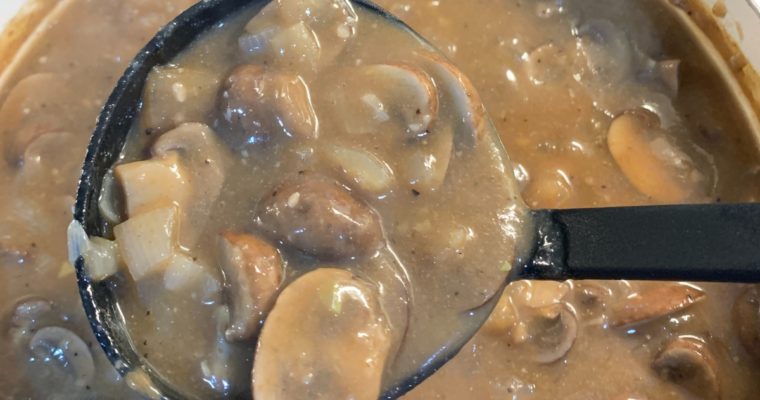
Secret to Mushroom Gravy The secret to making a great vegan mushroom gravy that is thick and rich is using wheat flour for the thickening agent and adding in just the right ingredients. The star of the show is going to be the mushrooms you 

Potato Ravioli

Potato Ravioli

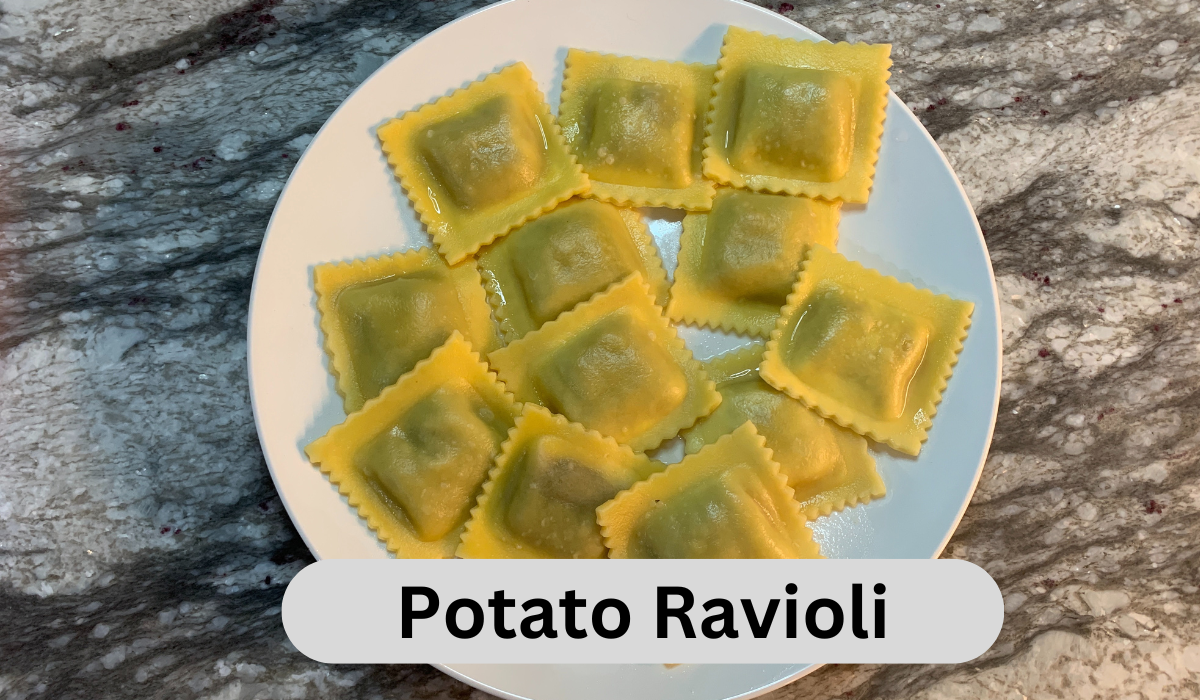
The Wholesome Delight: Vegan and Oil-Free Potato Ravioli

If you love hearty dishes, this Potato Ravioli recipe will definitely become a favorite whether you are a seasoned cook or just starting out on your WFPB journey.When it comes to hearty and satisfying meals, few dishes can rival the comforting goodness of potato ravioli. But what if I told you that this Italian classic can be not only delicious but also incredibly healthy? Enter vegan and oil-free potato ravioli – a culinary gem that packs a punch in both taste and nutrition.

1. Low in Fat, High in Nutrients: Traditional ravioli recipes often contain heavy cream and butter, but vegan versions replace these with plant-based ingredients like tofu or cashew cream. This swap significantly reduces the overall fat content of the dish while preserving its creamy texture. Furthermore, potato ravioli are a fantastic source of essential nutrients, including fiber, vitamins, and minerals. Potatoes offer a rich source of vitamin C, potassium, and vitamin B6, promoting heart health and overall well-being.

2. Satisfying and Filling: One of the standout benefits of potato ravioli is their ability to keep you feeling full and satisfied. The combination of starchy potatoes and plant-based fillings provides a substantial dose of complex carbohydrates, which release energy slowly, preventing sudden spikes and crashes in blood sugar levels. This sustained energy can help you maintain focus and keep hunger at bay throughout the day.

3. Heart Health: By omitting oils commonly found in traditional ravioli recipes, you’re reducing saturated fat intake, which can benefit heart health. A diet low in saturated fat is associated with a decreased risk of heart disease, making vegan and oil-free potato ravioli an excellent choice for those aiming to maintain cardiovascular wellness.

These potato ravioli are easy to make and so satisfying. Make a large batch and keep them in the freezer for quick and easy weeknight dinners. You can thank me later!

Potato Ravioli

Potato Ravioli- Vegan

vicky schulte
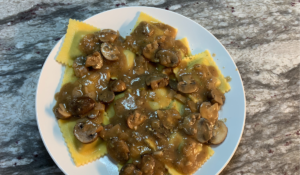
Potato filled ravioli
Prep Time 20 minutes
Cook Time 4 minutes
Total Time 24 minutes
Course Main Course
Cuisine American
Servings 2

Ingredients
  

  • For the Dough
  • 1 Cup All-purpose Flour
  • 1 Cup Whole Wheat Flour
  • 1/2 Cup Warm Water
  • 1/4 Tsp Salt
  • For Potato Filing
  • 2 Large Russet Potatoes-Peeled and Diced
  • 1/4 Cup Almond or Soy Milk
  • 3 Cloves Minced Garlic
  • 1 Bunch Chives Chopped
  • 1/4 Cup Nutritional Yeast
  • 1/2 Tsp Black Pepper
  • 1 Tsp Miss Dash

Instructions
 

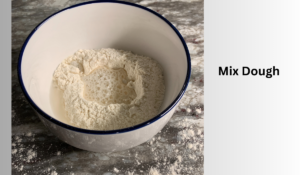
  • In a large mixing bowl, combine the flours and salt.Slowly add in the warm water to the flour mixture until a dough forms. Keep adding in water in until the dough is smooth but not too sticky.
    Mix Dough
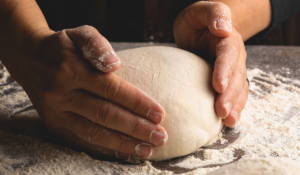
  • Knead the dough on a floured surface for 5 minutes or until the dough is elastic and smooth. Cover dough with a clean dish towel and let rest in a warm area for 30 minutes.
    Dough
  • For the Potato Filing
  • Boil Potatoes in large pot of water until they are fork-tender. 10-15 minutes
  • Drain potatoes and put into mixing bowl. Use potato masher to smash until smooth.
  • Add garlic, chives, almond milk, black pepper, Miss Dash and nutritional yeast into the potatoes. Mix well until smooth and creamy. Adjust seasoning to taste.
  • Assembly and Cooking Raviolis
  • Roll dough out onto a floured surface to about 1/8 inch thick
    Roll out dough
  • Use a round or squared cookie cutter or cut out dough.
  • Place a small spoonful of the potato filling into the center of each dough piece.
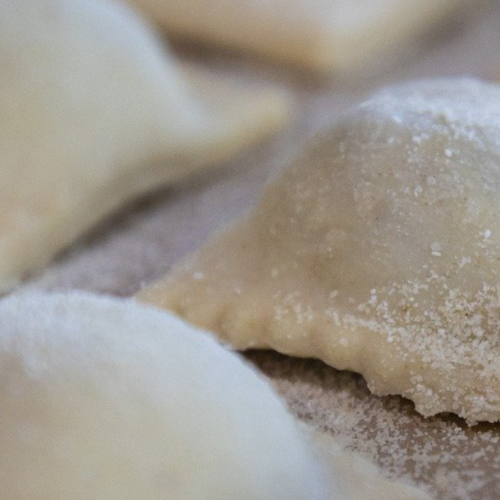
  • Fold the dough over the filling to create a nice pocket. Press the edges firmly to seal the ravioli.
  • Bring a large pot of water to a boil. Gently add in the ravioli and cook for 3-4 minutes or until the ravioli float to the surface. Remove ravioli with a slotted spoon and set into a bowl.
  • Add Mushroom Sauce
Keyword easy vegan recipe, pasta dish, Plant Based Dinner, Potato ravioli, ravioli, vegan dinner, vegan dish, vegan meals, vegan sauce for pasta, WFPB meal plan
TRIPLE BERRY BALSAMIC VINEGAR Dressing

TRIPLE BERRY BALSAMIC VINEGAR Dressing

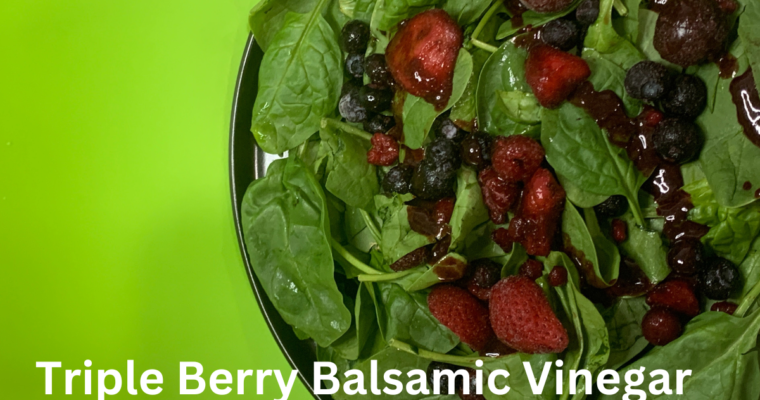
Introducing my Triple Berry Balsamic Vinegar Dressing – a symphony of flavors that will elevate your culinary creations to new heights. Crafted with a harmonious blend of raspberries, blueberries and strawberries, rich balsamic vinegar, organic cane sugar, and a touch of aromatic vanilla extract. This